




Lead the Digital Race
We, the Digital Marketing Athletes
With 8+ years of digital expertise, OMM Digital Solution is a performance-driven Digital Marketing Agency in Kolkata that blends business insight, creative firepower, and strategic discipline. Like a trained athletic unit, we analyse, optimise, and execute high-impact strategies that accelerate your brand’s speed, strength, and visibility.
- Here, every campaign is trained to win.
- Every idea is designed to cut through noise.
- Every result pushes your brand closer to its next victory.
Partner with us.
Let’s run your business into its strongest digital shape ever.
Ready to start your Digital Marketing Race? Fill the form and let’s build a champion brand.
Our Digital Marketing Toolkit
As a result-driven digital marketing agency in Kolkata, we offer end-to-end 360° digital marketing services designed to help brands increase visibility, generate quality leads, and drive higher conversions. Our expertise covers social media marketing, performance-focused Google Ads, data-driven SEO, and high-impact creative marketing solutions.
We also build conversion-ready platforms through our expert website development company, support product growth with marketplace listing services, and enhance customer engagement using SMS, WhatsApp, bulk voice, and digital PR solutions. Backed by custom CRM systems, mobile app development, and strong brand-focused design, we create integrated digital ecosystems that deliver measurable results and long-term ROI.
👇 Explore all our services below to see how we can help your business scale smarter and faster.
- Creative Production
Create to Win
- Social Media
Engage at Full Speed
- Web Development
Build for Performance
- Google Ads
Sprint to Conversions
- SEO
Climb the Rankings
- Brand Design
Shape Your Winning Identity
- SMS & WhatsApp
Messages That Move Fast
- Bulk Voice Call
Reach in One Strike
- Marketplace Listing
List. Compete. Win.
- Custom CRM
Control Your Race Track
- Mobile App
Performance in Your Palm
- Digital PR
Boost Your Brand Visibility




QUALITY ASSURANCE
Trained for precision — we deliver quality that performs under pressure.

ONE-STOP SOLUTION
Your full digital squad — every skill, every service, synced for victory.

LATEST TECHNOLOGY
Powered by next-gen tech — built to run faster, smarter, stronger.

AFFORDABLE PRICING
Elite performance, lean cost — maximum output without the extra weight.
Advantages of Digital Marketing

MEASURABLE & REAL TIME
Real Results. Real Speed.

HIGH RETURN ON INVESTMENT
Smarter Spend. Stronger Returns.

GLOBAL REACH
Expand Beyond Boundaries.

PRECISE TARGETING
Aim Sharper. Convert Faster.
#1 Digital Marketing Agency in Kolkata for Rapid Business Growth
More Leads. More Sales. Zero Guesswork.
We don’t run ads or post content for vanity metrics. We build high-converting digital systems using social media marketing, Google Ads, creative branding, website development, and marketplace listing services – all focused on revenue, not reach.
🔥 Limited Free Growth Audit Available
Successful Digital Marketing Case Studies
SEI Educational Trust
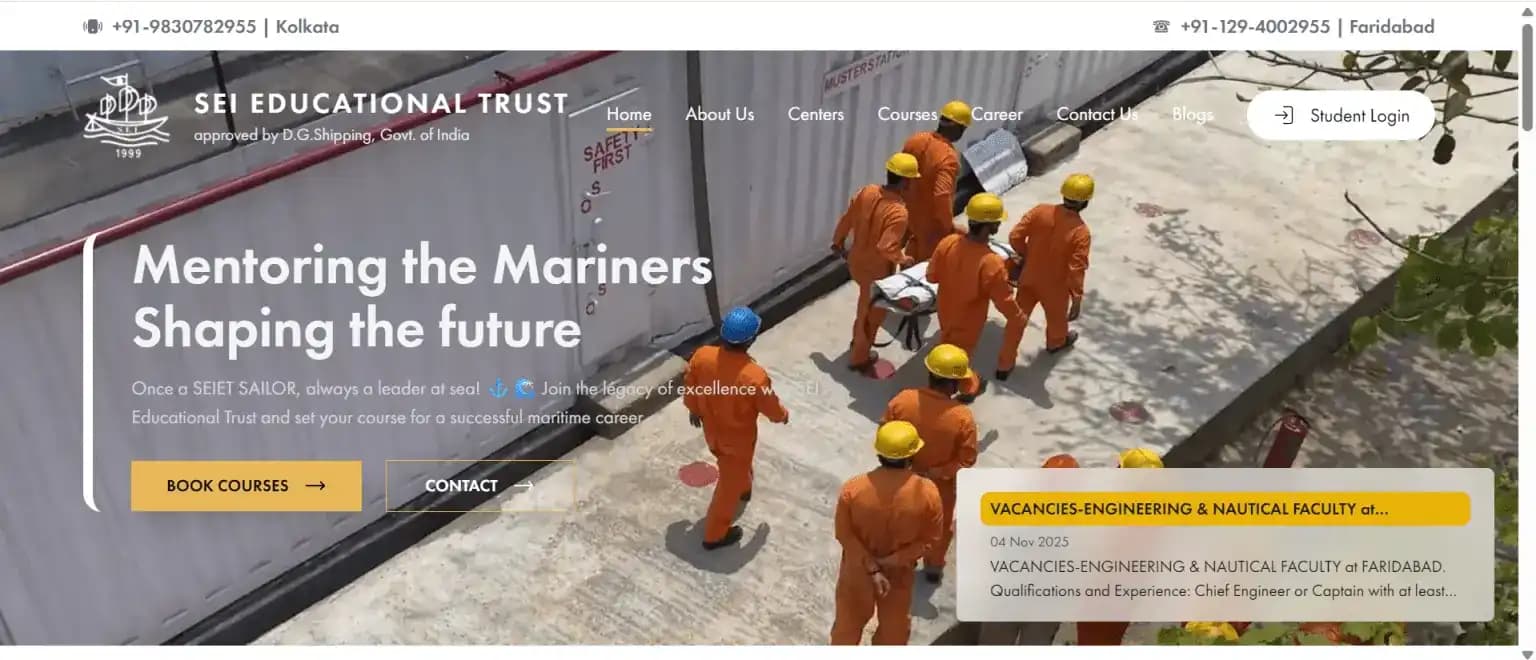
SEI Educational Trust required a streamlined digital system to manage student inquiries and present their courses professionally. Their previous setup lacked speed, structure, and proper lead management. A high-performance Next.js website improved navigation, course discovery, and application flow. A custom CRM automated lead tracking, counseling stages, document uploads, and follow-up reminders. This integration reduced manual workload, increased response speed, and created a smooth end-to-end admission journey, resulting in more completed applications and improved enrollment efficiency.
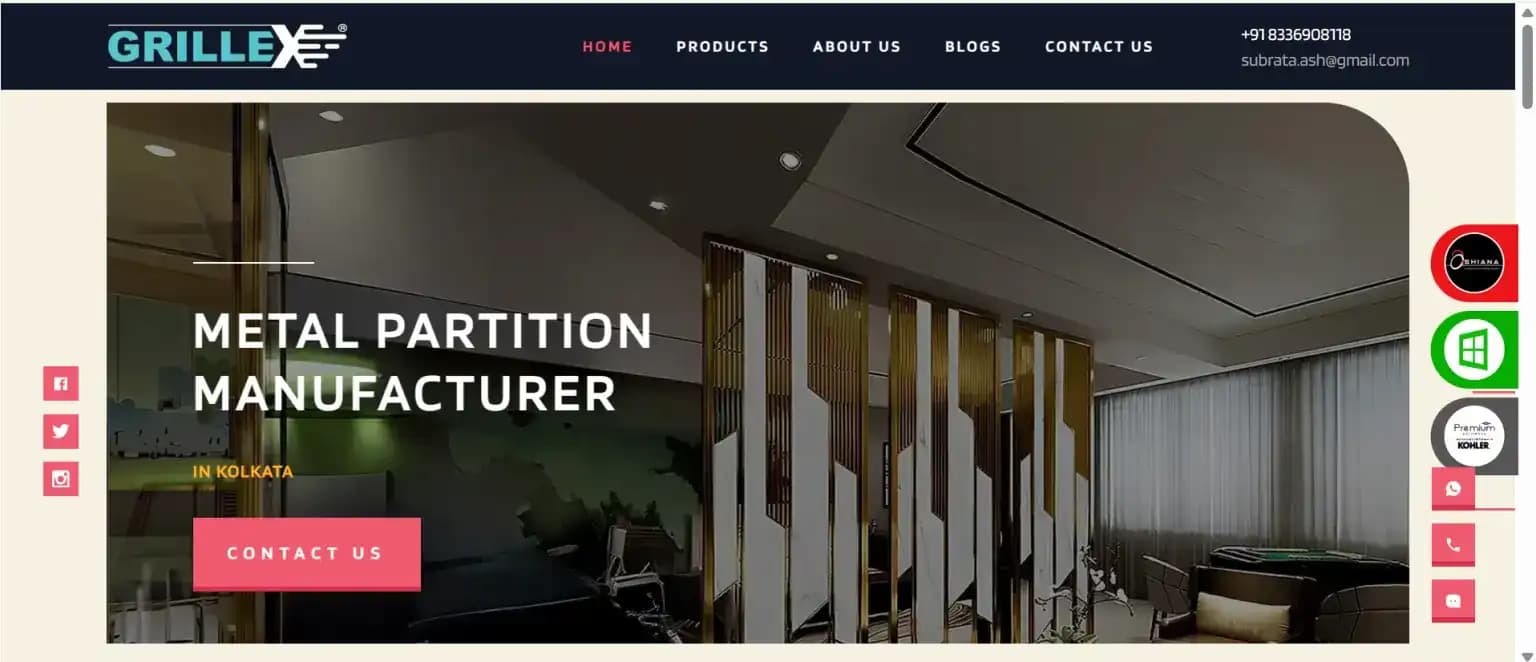
Grillex
Grillex faced limited awareness for its invisible grills and custom metal fabrication products, despite offering high-quality solutions. Their outdated digital presentation prevented customers from understanding product benefits or submitting inquiries. A modernized website, product-focused visuals, and educational content highlighted the safety and aesthetic advantages of invisible grills. Targeted outreach and visual campaigns showcased real installations, generating trust and interest. This improved product discovery, increased quote requests, and helped Grillex secure both residential customers and new partnerships with architects and interior designers.
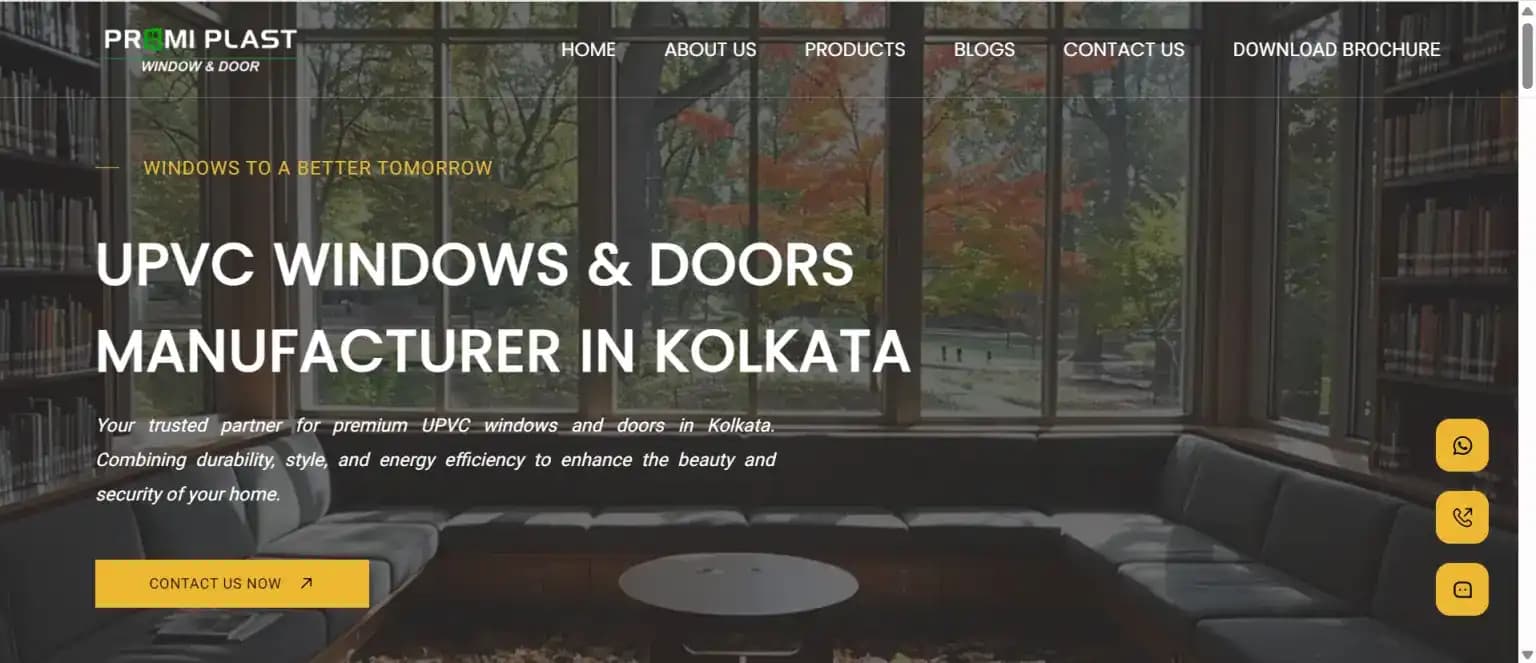
Promiplast Windows
Promiplast Windows struggled to communicate the value of uPVC windows and attract qualified leads for residential installations. Their digital channels lacked educational content and proper search visibility. By building content around energy efficiency, durability, and long-term cost benefits, customers understood why uPVC was a superior choice. Optimized search pages, targeted ad campaigns, and a simplified consultation flow encouraged users to request measurements and quotations. This led to a steady rise in high-intent inquiries and improved conversions from online visitors to on-site evaluations.
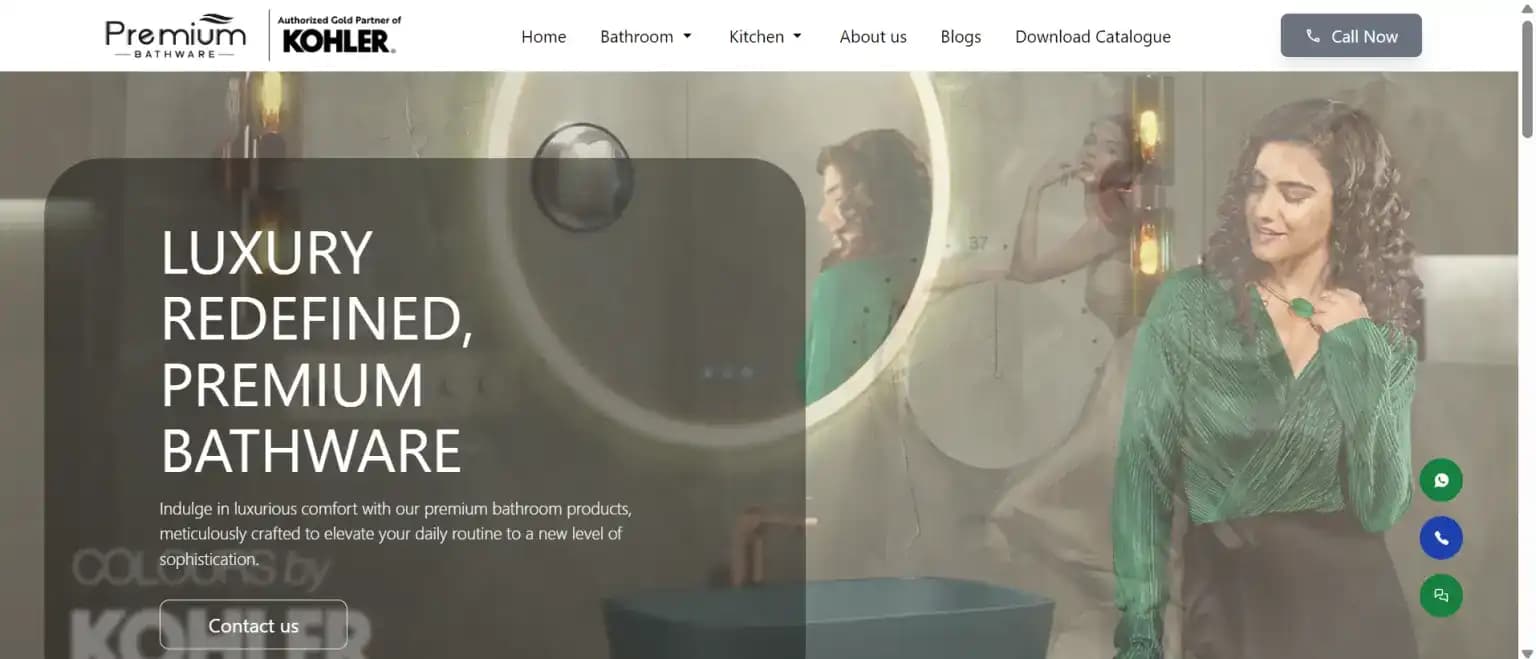
Premium Bathware
Premium Bathware needed a stronger digital identity to stand out in the competitive sanitaryware market. Their online catalog lacked clarity, and customers couldn’t properly evaluate product aesthetics or features. Organizing products into a visually rich digital showcase—supported by lifestyle photography, videos, and structured product descriptions—improved user engagement. Social campaigns featuring real bathroom setups and retargeting sequences encouraged customers to revisit the catalog. This enhanced product discovery, increased quote requests, and positioned Premium Bathware as a stylish and reliable bathware provider.
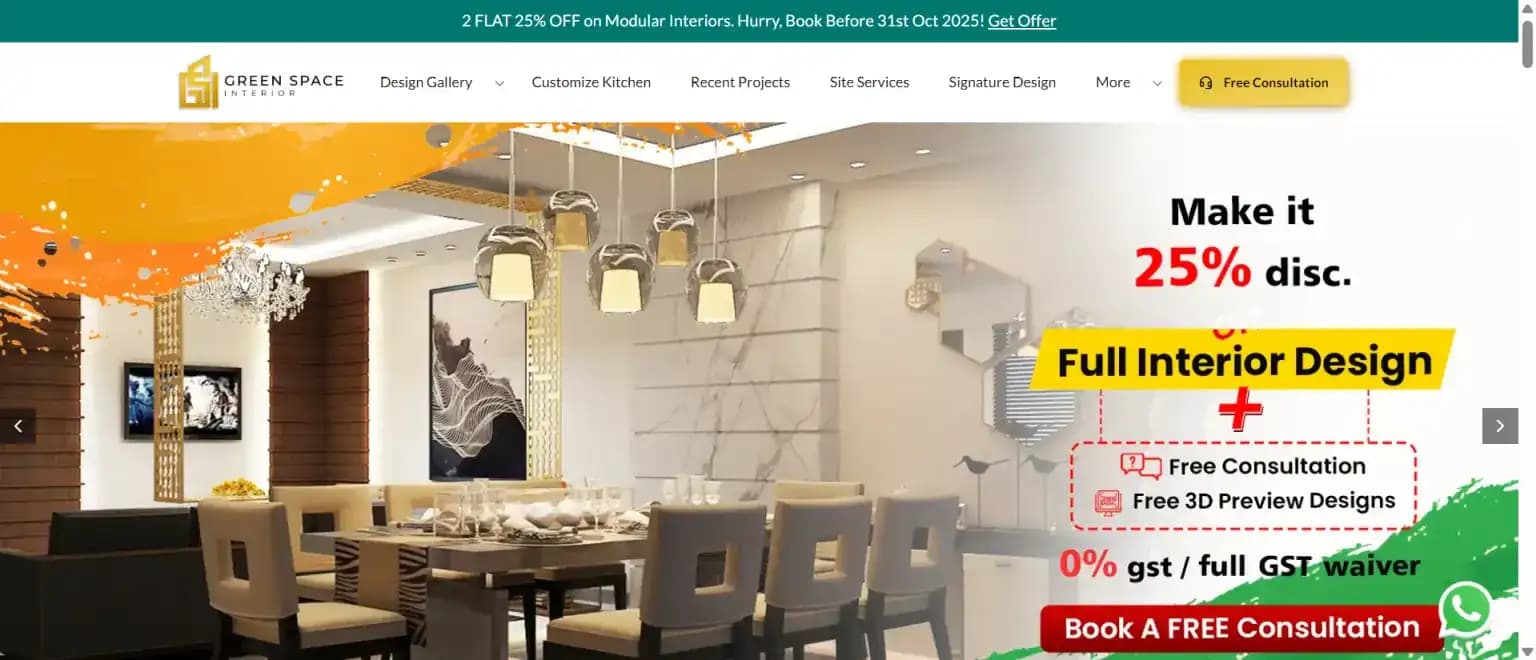
Green Space Interior
Green Space Interior had no online presence and needed to build a recognizable brand from scratch. Their challenge was to showcase interior services in a modern, professional format and guide customers through a clear decision-making journey. A fully customized dynamic Next.js website was created with fast performance, clean layouts, and engaging project presentations. The user journey directed visitors from service exploration to portfolio viewing and inquiry submission. This strong digital foundation increased trust, boosted engagement, and generated consistent inquiries for their interior design services.
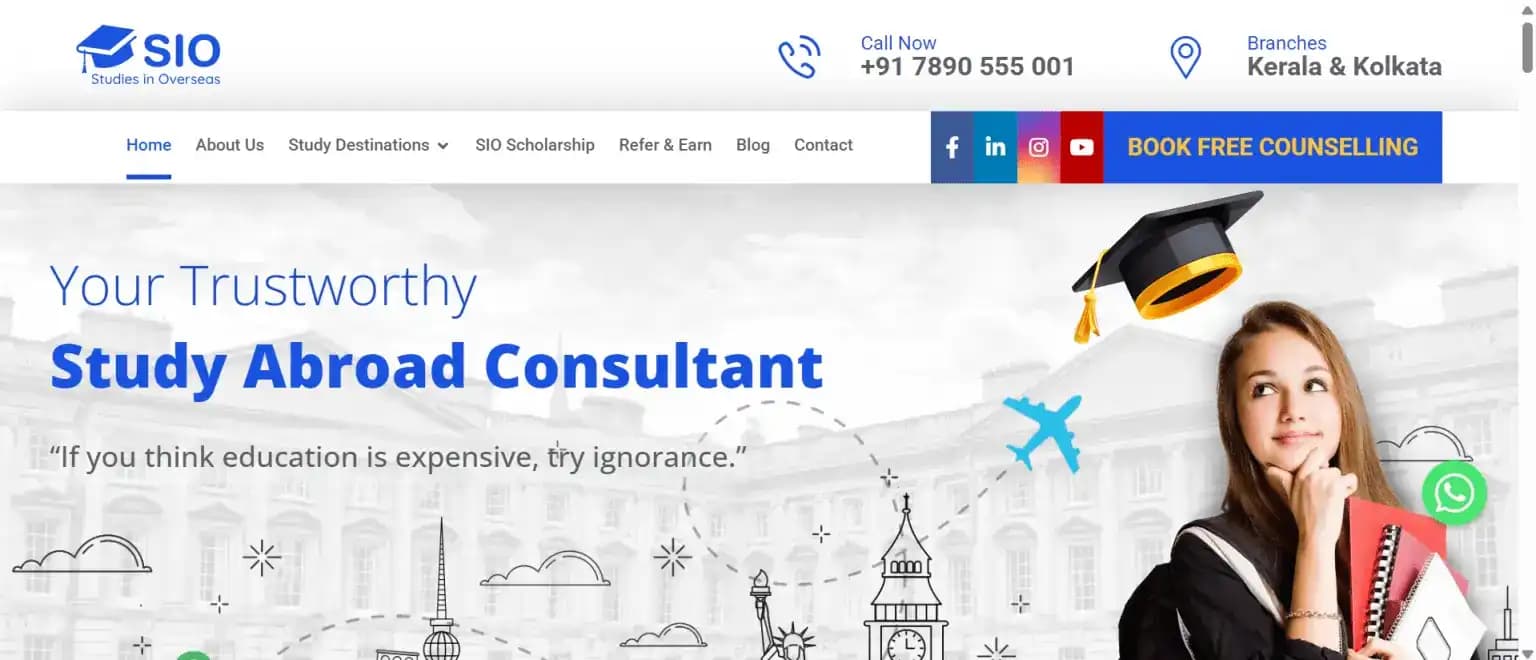
Studies in Overseas (SIO)
Studies in Overseas needed a professional and best UI/UX based digital presence to attract students seeking study-abroad guidance. Their earlier setup lacked clarity, credibility, and a structured lead flow. A fully customised and best user flow-based WordPress website with course-focused pages improved trust and helped students compare destinations and programs. Google PPC and Meta lead-gen campaigns targeted high-intent students, driving consistent inquiries. With optimized landing pages and automated responses, SIO received a higher volume of verified leads, improving conversions from inquiry to counseling enrollment.
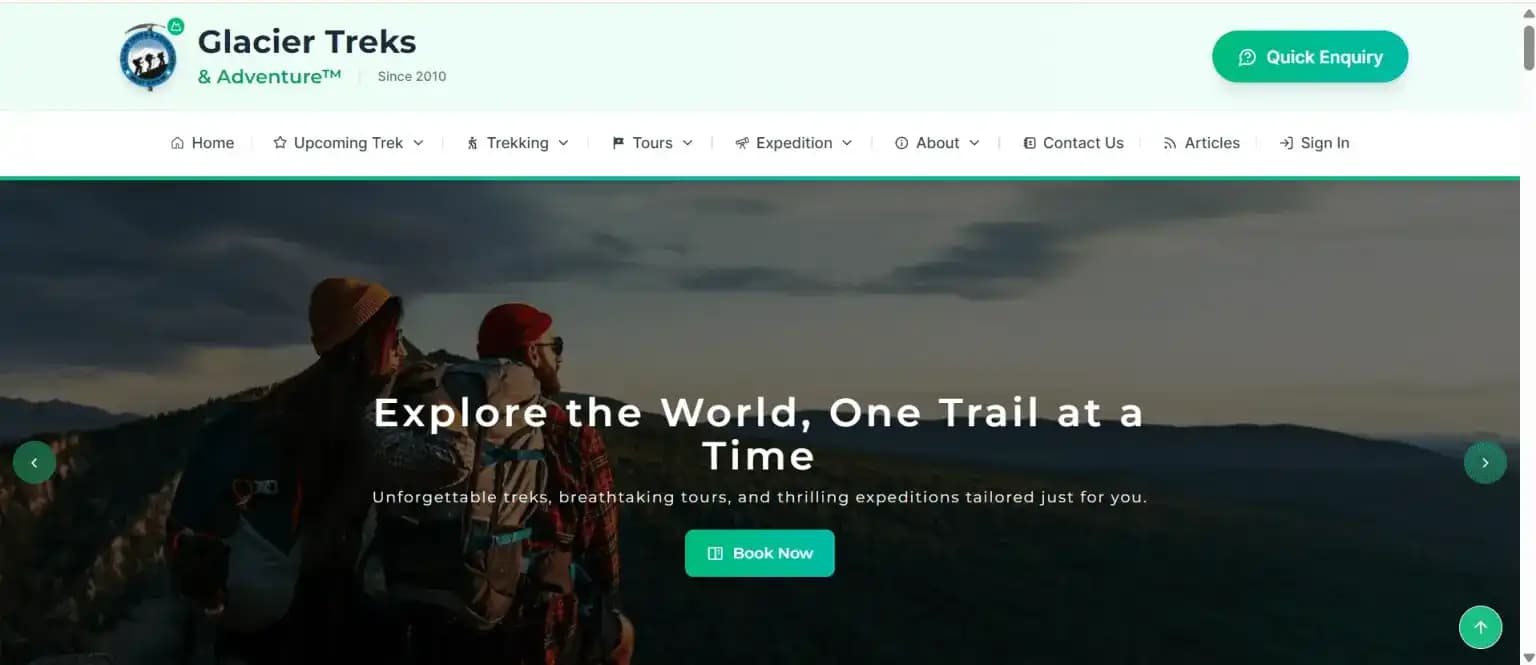
Glacier Treks & Adventure
Glacier Treks & Adventure needed a fast, modern website to showcase trek packages and convert interested travelers into bookings. Their earlier digital platform was slow and didn’t effectively highlight routes, itineraries, or booking details. A dynamic Next.js website improved loading speed, visuals, and navigation, helping users browse treks effortlessly. Clear itineraries, photos, and inquiry paths enhanced the user experience. This improved engagement, boosted booking requests, and positioned the brand as a reliable trekking service provider.
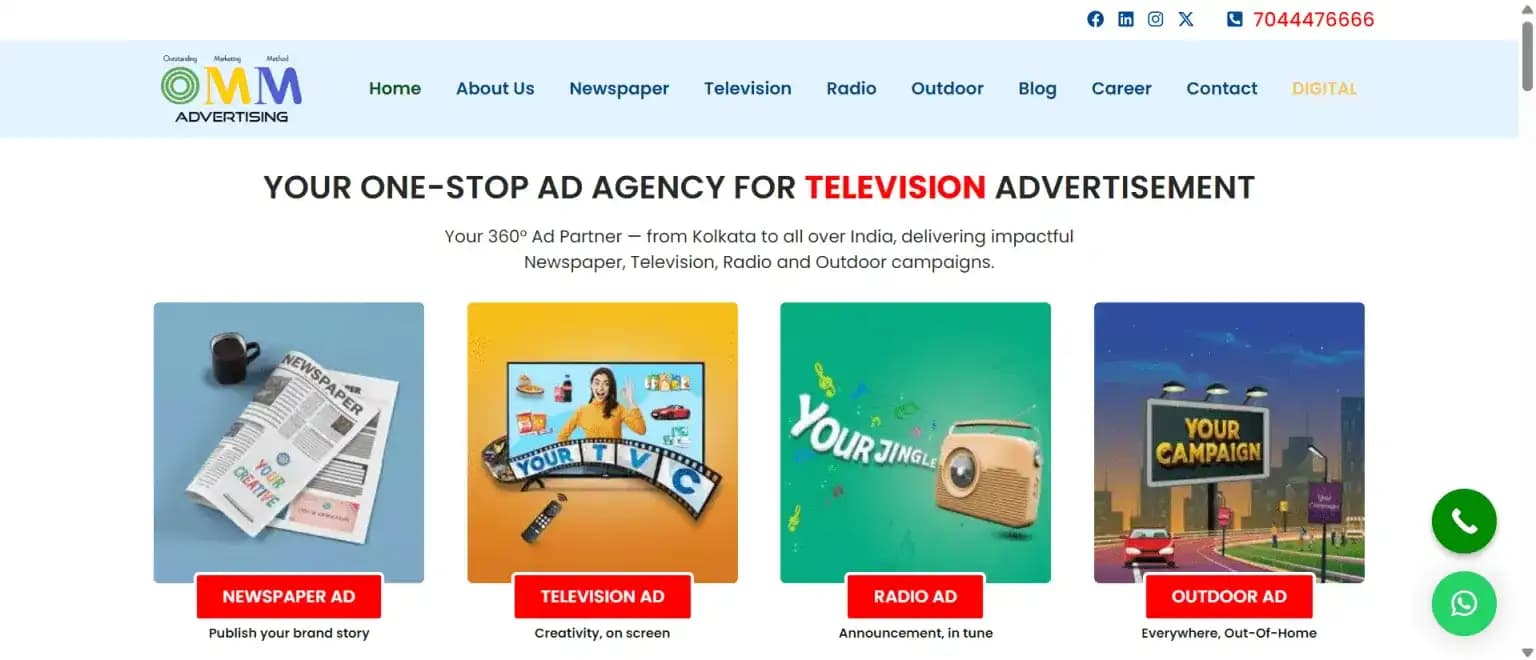
OMM Advertising
OMM Advertising required a service-focused website that could capture leads for newspaper, TV, radio, and outdoor advertising. Their older site lacked structure and produced very few inquiries. A new WordPress website with category-wise landing pages, strong CTAs, and integrated lead forms improved navigation and conversion flow. Targeted PPC campaigns brought in businesses actively seeking advertising solutions. The new funnel increased qualified inquiries and strengthened OMM Advertising’s ability to convert online leads into paying clients.
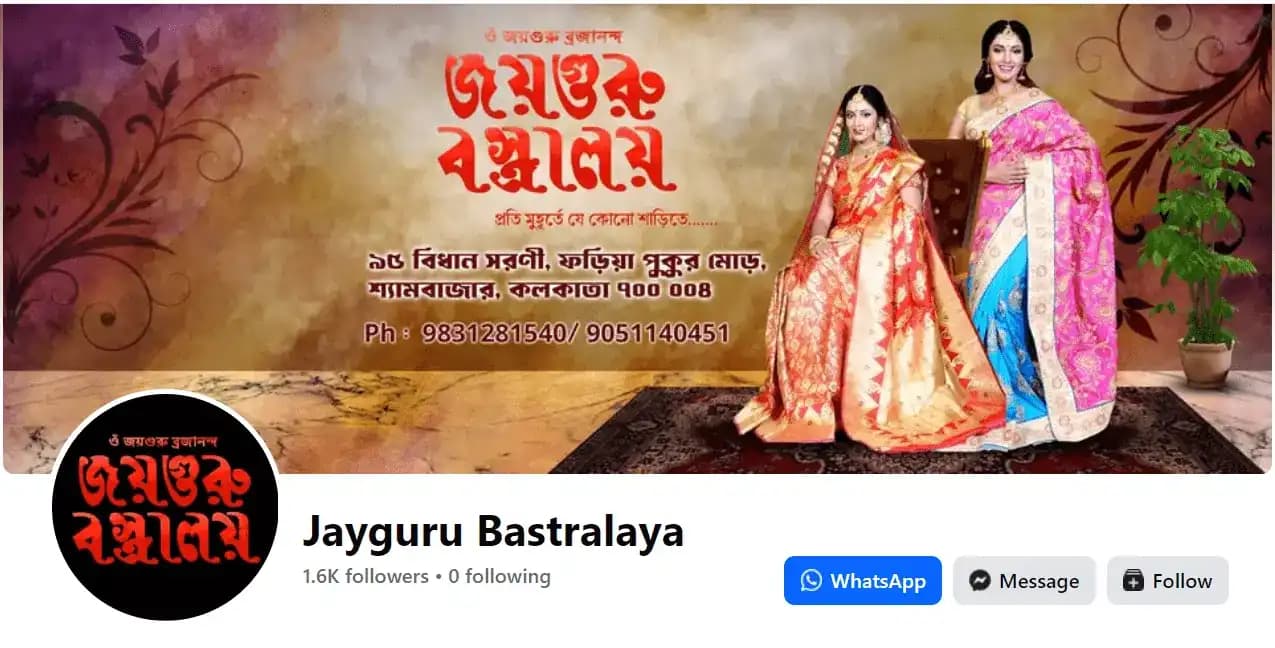
Jayguru Bastralaya
Jayguru Bastralaya required a strong digital presence to showcase their clothing collection and attract a wider audience. Their earlier social media activity lacked professional visuals and consistency. A full content system was created including product shoots, fashion videos, festive campaigns, and platform-specific edits. Regular posting, reels, and catalog-style presentations improved engagement and brand perception. This helped increase follower growth, drive product interest, and position Jayguru Bastralaya as a trusted clothing brand online.
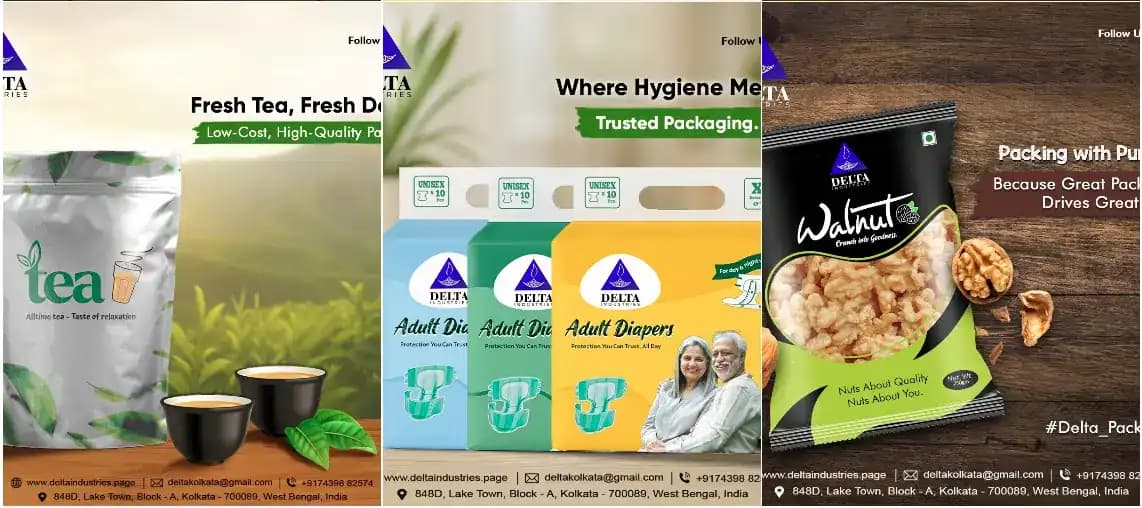
Delta Industry
Delta Industry needed professional digital content to present its packaging products attractively and increase B2B inquiries. Their earlier posts lacked clarity and failed to highlight the variety of packaging solutions offered. High-quality visuals, product videos, and educational posts were created to showcase packaging materials, use-cases, and customization options. Consistent social media activity improved brand credibility and helped attract potential businesses seeking packaging solutions, strengthening both visibility and inbound lead flow.

Opulent By Pammi Singh
Opulent By Pammi Singh needed an elegant e-commerce platform to present their premium clothing line and streamline online sales. Their old setup lacked product structure and did not match the brand’s luxury positioning. A WordPress e-commerce website with high-quality product photography, organized categories, and smooth checkout improved the customer buying journey. This enhanced the brand’s digital appeal, increased browsing time, and helped generate more online orders from fashion-conscious shoppers.
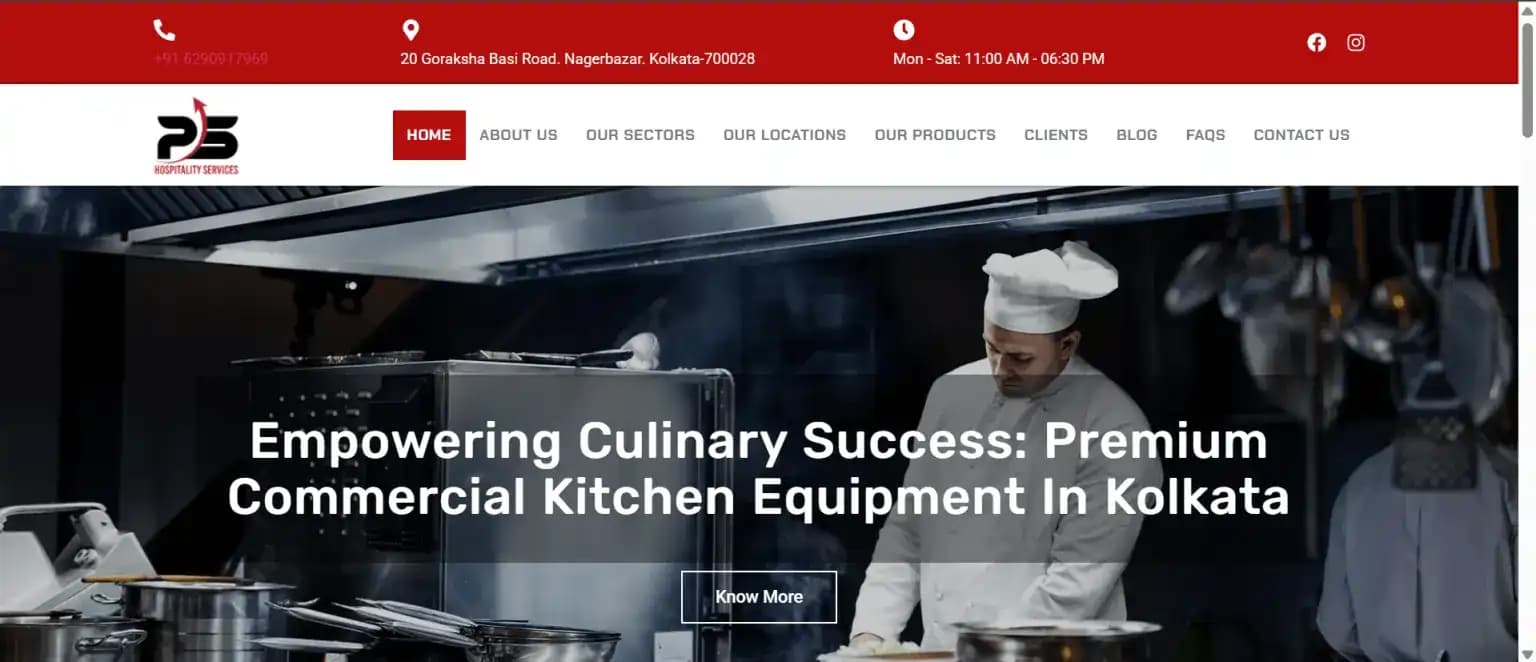
PS Hospitality Services
PS Hospitality Services needed a professional website and a reliable flow of service inquiries. Their digital presence was minimal, and potential clients couldn’t clearly understand their offerings. A structured business website with service pages, trust elements, and an intuitive inquiry flow improved clarity and user navigation. PPC campaigns targeted businesses searching for facility management and hospitality services, resulting in a steady rise in high-intent leads and stronger conversions.
Champions Who Trust Us